Why Use Paverslot Channel Drainage?

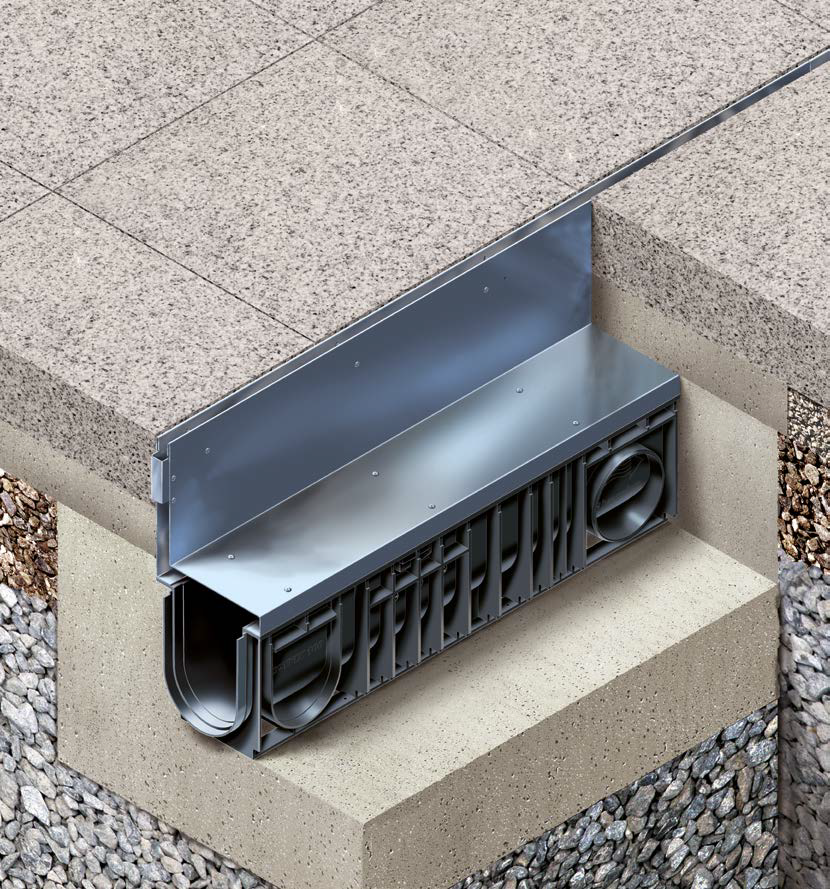
Paverslot channel drainage combines effective surface water collection with a discreet architectural finish. Instead of a conventional visible grating, water enters through a narrow linear slot while most of the drainage system remains hidden below the finished surface.

This makes slotted channel drainage particularly useful where paving design, accessibility and visual continuity are just as important as hydraulic performance.

What is Paverslot channel drainage?

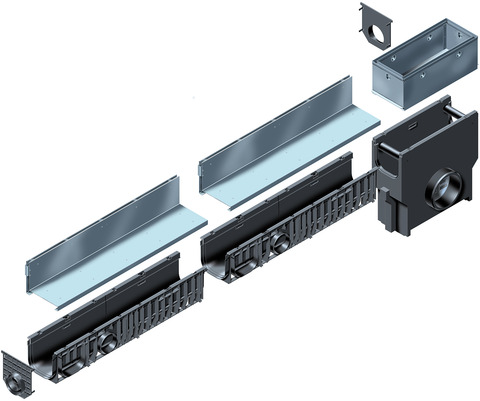
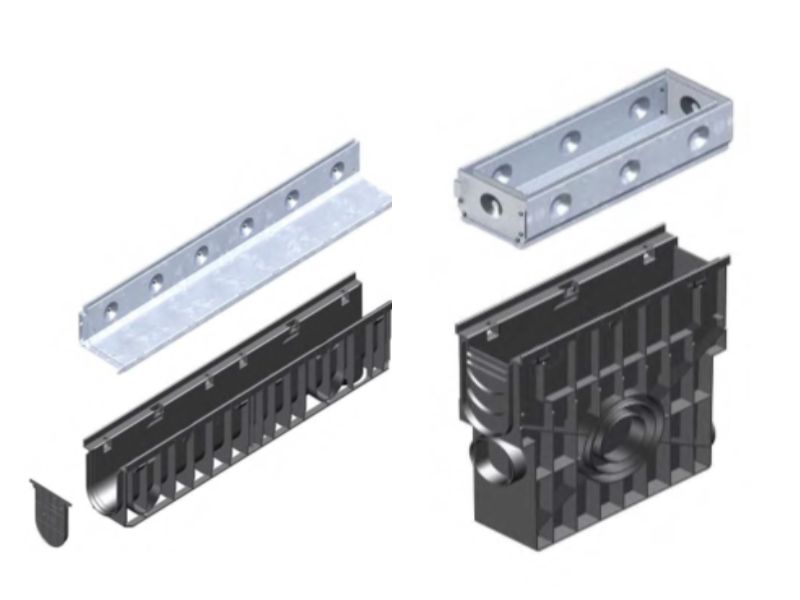
Paverslot is a type of slotted channel drainage system. The channel body sits below the finished surface, while only a narrow slot remains visible. Rainwater enters through this opening and is conveyed along the channel towards an outlet.

Compared with traditional grated drainage, the visible element is significantly reduced. This allows the drainage line to integrate more naturally with paving, concrete finishes, building façades and public spaces.

To compare slotted systems with grated and monolithic solutions, see our guide to the types of channel drainage systems.

Why choose Paverslot drainage?

The main advantage of Paverslot is that it combines drainage performance with a much less intrusive surface detail.

BenefitWhy it matters
Discreet appearanceOnly a narrow slot remains visible, helping preserve the visual continuity of paving and architectural finishes
Continuous water collectionRunoff is collected along a linear drainage line rather than at one isolated point
Integration with pavingBlocks, slabs and other finishes can be installed close to the slot
Options for trafficked areasSuitable systems can be specified for vehicle loads when the complete installation meets the required load class
Lightweight channel optionsPolypropylene channel bodies can simplify transport and handling on site
Flexible applicationsSuitable for public spaces, façades, entrances, commercial areas and selected trafficked environments

Appearance, however, should never be considered separately from performance. A Paverslot system still needs to provide the required hydraulic capacity, load resistance and maintenance access.

Our guide to how channel drainage works explains how water moves from the surface through the channel and towards the downstream drainage network.

Where is Paverslot drainage most useful?

Paverslot is particularly well suited to projects where the drainage line needs to perform without becoming a dominant visual feature.

Typical applications include pedestrian areas, plazas, commercial developments, building façades, entrances, patios, landscaped areas, driveways and car parks. The same concept can therefore work in both architectural and practical drainage applications. The key is selecting the correct channel depth, slot configuration and load class for the specific location.

For higher-load applications, see Galco’s D400 slotted channel drainage system.

See how slotted drainage at the Brewhouse was integrated into a design-sensitive project.

What should you consider before specifying Paverslot?

The system should be selected as part of the complete surface drainage design rather than simply on appearance.

Design factorWhat to check
Hydraulic capacityRainfall intensity, catchment area, channel length, surface fall and outlet capacity
Load classPedestrian, car, delivery vehicle or heavier traffic requirements
Slot positionWhether surrounding surfaces naturally direct runoff towards the drainage line
Installation depthAvailable space above slabs, waterproofing, services and downstream connections
MaterialsExposure to salts, chemicals, coastal environments and other site conditions
MaintenanceAccess boxes, inspection points and the ability to clean channels and outlets

The material used in the channel body can also influence handling, durability and installation. See our guide to channel drainage materials for a comparison of the main options.

Paverslot or conventional grated drainage?

Neither solution is automatically better. The right choice depends on the priorities of the project.

Paverslot drainageConventional grated drainage
Minimal visible surface elementLarger visible grating
Better integration with architectural pavingMore obvious drainage line
Particularly suited to design-sensitive projectsOften preferred where direct access is a priority
Cleaning access must be planned into the systemRemovable gratings normally provide easier direct access
Available for selected trafficked applicationsAvailable across a very wide range of load classes

In practice, Paverslot is usually the stronger option when appearance and surface continuity matter. Grated drainage may be preferable where maximum inlet area or frequent direct maintenance access is more important.

How is Paverslot drainage maintained?

The narrow surface slot means that maintenance access should be considered during the design stage.

Inspection boxes, access sections and outlets allow sediment to be removed and the channel to be flushed when required. The drainage line should remain clear along its full length so that its hydraulic capacity is not reduced by accumulated debris.

See our guide to cleaning drainage systems for practical maintenance recommendations.

Summary

Paverslot channel drainage offers a discreet way to collect surface water without introducing a large visible grating into the finished surface.

It is particularly useful where drainage needs to integrate with paving, façades or architectural areas while still meeting hydraulic and load requirements. The best solution depends on hydraulic capacity, load class, installation depth, surface design and maintenance access.

Explore Galco’s slotted channel drainage solutions for detailed product specifications or contact our technical drainage team for project support.


Frequently asked questions

What is Paverslot drainage?

Paverslot is a type of linear drainage where water enters through a narrow surface slot while the main drainage channel remains concealed below the finished paving.

Is Paverslot the same as slot drainage?

Paverslot is one form of slotted channel drainage. Different systems may use different channel bodies, slot covers and installation details.

Can Paverslot drainage be used in car parks?

Yes. Slotted drainage systems can be specified for trafficked areas when the complete system and installation meet the required load class.

Is Paverslot difficult to maintain?

Not when access is properly designed. Inspection points and removable access sections allow the channel and outlets to be cleaned.

Is Paverslot only for architectural projects?

No. Its discreet appearance is a major advantage, but it can also provide practical surface water drainage in domestic, commercial and trafficked areas.


Reviewed by Galco Drainage Technical Team
Last updated: August 2026

our team

Over the past 50 years, Galco has become a recognized leader offering high quality equipment and systems. We are dedicated to exploring the latest construction technologies to generate cost savings for clients.

Brian Dalton

Project Technical Support

Gerry Warren

Connacht & North Leinster

Chris White

Dublin City & County

Martin Finn

Munster & South Leinster
Share on:
Scroll to Top